Asphalt vs Concrete Driveway: Which is Better for Massachusetts Homes?
Choosing between asphalt and concrete for your Massachusetts driveway? Here's an honest comparison to help you make the right decision for your property and budget.
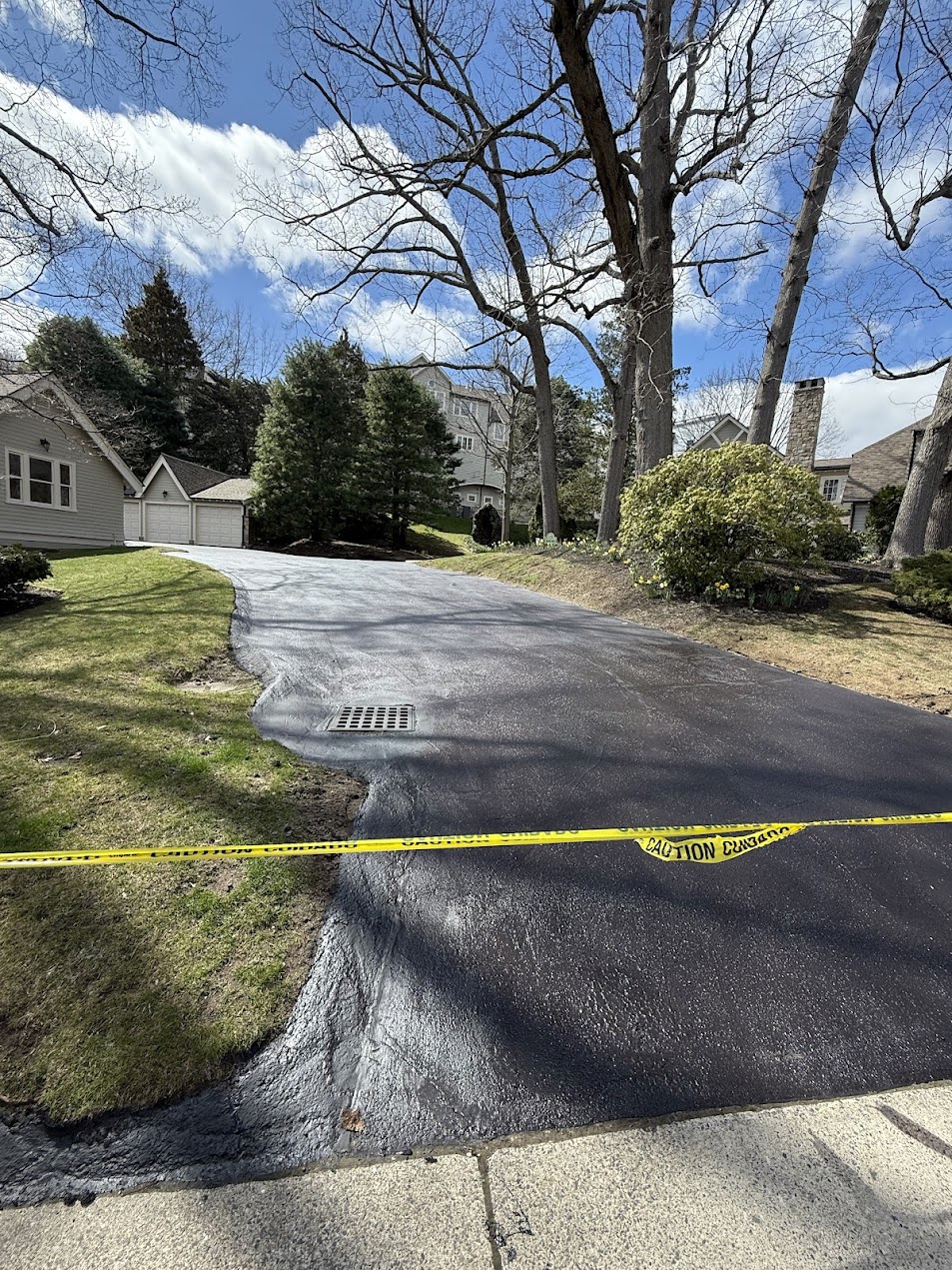
When it comes to driveway materials in Massachusetts, homeowners typically choose between asphalt and concrete. Both have their merits, but Massachusetts' unique climate creates some important considerations that might not apply in other states.
Quick Comparison Overview
| Factor | Asphalt | Concrete |
|---|---|---|
| Initial Cost | $3-$7/sq ft | $6-$12/sq ft |
| Lifespan | 15-20 years | 25-30 years |
| Maintenance | Sealcoat every 2-3 yrs | Minimal |
| Repair Cost | Lower | Higher |
| Heat Absorption | Higher (gets hot) | Lower (cooler surface) |
| Installation Time | 1-2 days usable | 7+ days to cure |
Asphalt Driveways: Pros and Cons
Advantages of Asphalt
- Lower upfront cost: 40-50% less expensive than concrete initially
- Quick installation: Usable within 1-2 days
- Easy repairs: Cracks and damage can be patched seamlessly
- Flexibility: Less likely to crack from ground movement
- Winter-friendly: Dark color melts ice faster (essential for Massachusetts winters)
- Recyclable: Old asphalt can be recycled into new pavement
Disadvantages of Asphalt
- Shorter lifespan: Requires replacement sooner than concrete
- Ongoing maintenance: Needs sealcoating every 2-3 years
- Heat absorption: Can get very hot on hot summer days
- Oil stains: More susceptible to damage from automotive fluids
- Softening: Can become soft in extreme heat
Concrete Driveways: Pros and Cons
Advantages of Concrete
- Longer lifespan: Can last 30+ years with proper care
- Low maintenance: No regular sealing required
- Cooler surface: Reflects heat better than asphalt
- Design options: Can be stamped, colored, or textured
- Higher home value: Often perceived as more premium
- Resistant to heat: Won't soften in high temperatures
Disadvantages of Concrete
- Higher initial cost: Nearly double the price of asphalt
- Long cure time: 7+ days before driving on it
- Difficult repairs: Patches are visible and costly
- Cracking: More prone to cracking from ground settling
- Staining: Oil stains are permanent and visible
- Salt damage: Can be damaged by pool chemicals
Massachusetts-Specific Considerations
Heat and Sun Exposure
Massachusetts experiences extreme temperature swings from summer heat to winter freeze. This climate affects both materials:
- Asphalt: Freeze-thaw cycles cause cracking. Needs sealcoating every 2-3 years to prevent water penetration
- Concrete: More prone to frost heaving and surface scaling from road salt exposure
Rain and Drainage
Massachusetts receives 48+ inches of precipitation (rain and snow) annually. Both materials handle water well when properly installed with adequate drainage slope.
Sandy Soil
Massachusetts' rocky and clay-rich soil can shift with freeze-thaw cycles. Asphalt's flexibility makes it more forgiving of ground movement, while concrete is more likely to crack.
Cost Comparison for Massachusetts
20-Year Cost Analysis (500 sq ft driveway)
Asphalt - 20 Year Total
- Initial installation: $2,500
- Sealcoating (7x): $1,400
- Crack repairs: $300
- Total: ~$4,200
Concrete - 20 Year Total
- Initial installation: $4,500
- Sealing (optional, 3x): $450
- Crack repairs: $200
- Total: ~$5,150
Our Recommendation for Massachusetts Homeowners
Choose Asphalt If:
- Budget is a primary concern
- You need quick installation
- You prefer lower repair costs
- You don't mind regular maintenance
- Your soil has settling issues
Choose Concrete If:
- You want minimal long-term maintenance
- Appearance and design options matter
- You're planning to stay 20+ years
- You want a cooler walking surface
- Budget allows for higher upfront cost
The Verdict
For most Massachusetts homeowners, asphalt offers the best value when considering upfront costs, repair ease, and Massachusetts' soil conditions. However, concrete is a solid choice for those willing to invest more upfront for longer life and less maintenance.
Need Help Deciding?
Our experts can assess your property and help you choose the best driveway material for your specific situation. Free consultations available.